

Skip to content
Training Tips

How to Start Strength Training Safely

A practical guide for beginners who want to build strength confidently, learn sound technique, and create a routine they can sustain.

By Iron Peak Fitness
· 4 min read
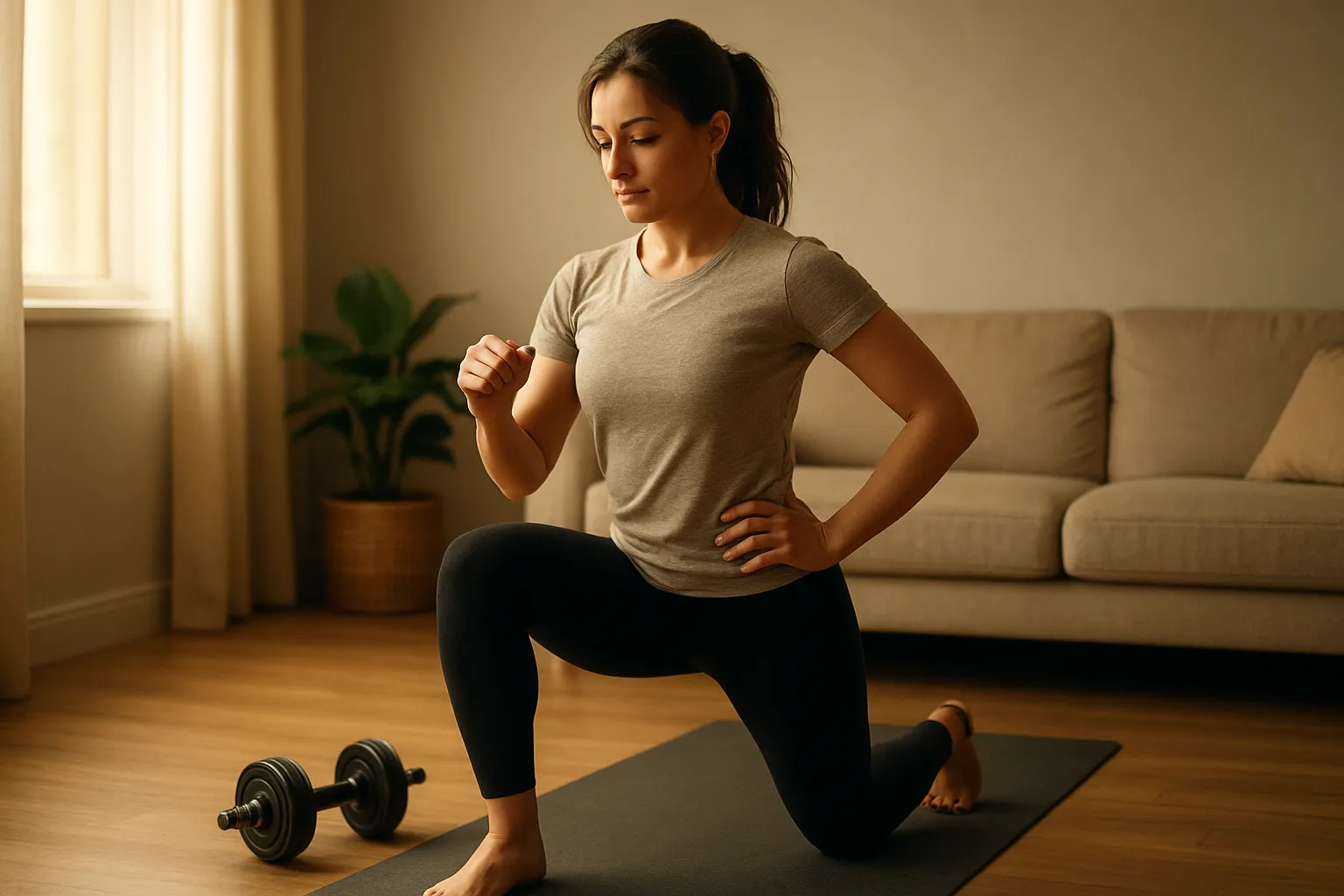
Photo illustrating: How to Start Strength Training Safely

Starting strength training can feel intimidating, especially when a gym is full of unfamiliar equipment and advanced lifters. The safest approach is to begin with manageable movements, learn good technique, and progress gradually rather than chasing heavy weights immediately.

This guide is for beginners who want a clear starting point. You’ll learn how to prepare for a session, choose foundational exercises, manage effort and recovery, and recognize when to ask a qualified trainer for help.

Key takeaways

  • Start with simple full-body movements and a repeatable schedule.
  • Use a manageable load and stop when technique deteriorates.
  • Progress gradually instead of testing your limits every session.
  • Recovery, sleep, nutrition, and consistency all support strength gains.
  • Ask a qualified trainer for help with unfamiliar exercises or equipment.

Begin with a realistic plan

Aim for consistency before intensity. Two or three full-body sessions each week can provide a practical starting structure, with rest or lighter activity between demanding sessions.

Keep your first program simple. Choose movements that cover the major patterns: squatting, hinging, pushing, pulling, and carrying or bracing. A straightforward plan makes technique easier to practise and progress easier to track.

  • Schedule workouts on days you can repeat reliably.
  • Start with a small number of exercises rather than trying everything at once.
  • Leave time for warm-up, rest, and recovery.

Warm up and learn the movements

A warm-up should prepare you for the session, not exhaust you. Begin with a few minutes of easy movement, then practise the exercises with very light resistance. Use this time to check your range of motion and setup.

For beginners, bodyweight exercises, resistance bands, machines, or light dumbbells can all be useful. The best choice is the one that lets you control the movement and maintain a stable position.

  • Move through a comfortable range of motion.
  • Keep your breathing steady instead of holding your breath unnecessarily.
  • Ask a trainer to demonstrate unfamiliar equipment or review your technique.

Choose a weight you can control

Select a load that allows you to complete each repetition with consistent form and without straining to finish. Your final repetitions may feel challenging, but they should not require swinging, bouncing, or changing your body position to move the weight.

Progress slowly. When a weight feels controlled across your planned repetitions and sessions, increase the challenge by a small amount or add a repetition, depending on the exercise. You do not need to increase everything at once.

  • Stop or reduce the load if your technique breaks down.
  • Keep a simple record of exercises, resistance, repetitions, and how the session felt.
  • Treat pain, especially sharp or worsening pain, as a reason to stop and seek appropriate guidance.

Use sound technique and breathing

Good technique starts with a stable setup and a controlled pace. Keep the movement smooth, avoid rushing through the hardest part, and use a range of motion that you can manage safely. Technique may look different depending on your body and the exercise, so avoid forcing yourself into someone else’s exact position.

Breathe continuously and brace your trunk when appropriate. For more demanding lifts, a qualified coach can show you how to coordinate breathing and bracing safely.

  • Set your feet, grip, and posture before each repetition.
  • Control both the lifting and lowering phases.
  • Prioritise quality repetitions over speed or heavier resistance.

Recover and build consistency

Strength improves during a pattern of training and recovery, not from one exhausting workout. Allow the muscles you trained to recover, sleep as well as you can, eat regular balanced meals, and stay hydrated. If you are unusually sore or fatigued, reduce the session’s difficulty rather than forcing the planned workload.

Progress is rarely perfectly linear. Some weeks will feel easier than others, so judge success by steady participation, improved control, and gradual increases in capacity.

  • Take rest days or alternate muscle groups when needed.
  • Use gentle movement on recovery days if it feels comfortable.
  • Review your plan periodically and adjust it to your schedule and experience.

Frequently asked questions

How often should a beginner strength train?

Two or three sessions per week is a practical starting point for many beginners. Leave recovery time between challenging sessions and adjust based on your schedule, experience, and how you feel.

Should I feel pain while lifting?

Muscular effort and mild, temporary tiredness can be normal, but sharp, sudden, or worsening pain is not something to push through. Stop the exercise and seek appropriate professional advice if pain persists or concerns you.

How heavy should my first weights be?

Choose a resistance you can control through the planned movement while maintaining consistent form. Start lighter than you think you need and increase gradually as your technique becomes reliable.

Do I need a personal trainer to start strength training?

You can begin with simple exercises, but a qualified trainer can help you learn technique, adjust equipment, and create a plan suited to your goals and experience.

Start With Expert Guidance

Visit Iron Peak Fitness in Bengaluru to learn the fundamentals with support from our trainers and build a strength routine that fits you.

Iron Peak Fitness
Join Iron Peak Fitness in Bengaluru for expert trainers, modern equipment, and tailored fitness programs.
Our services →
Share this article WhatsApp LinkedIn
← All posts